Blue Crab Embroidery Review for Small Business Merch
First Impressions of the Blue Crab Design
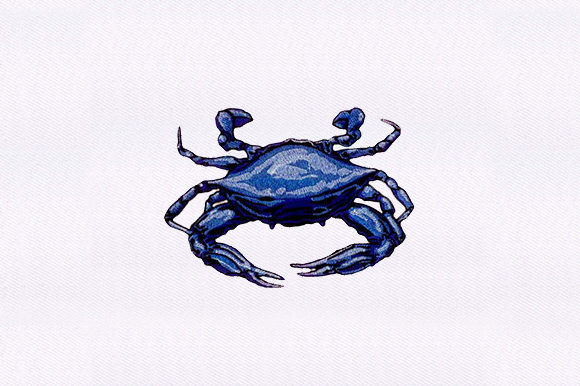
The Blue Crab machine embroidery design immediately stands out with its playful yet professional aesthetic. As an experienced embroidery designer, I was drawn to its clean lines and balanced proportions, which give it a modern feel without sacrificing charm. The title and description suggest a versatile design that can be applied across a variety of fabrics and items, making it ideal for small business merch.
This fish-themed embroidery feels handmade in spirit, which aligns well with brands that emphasize artisanal quality. It’s not overly detailed, which is a plus when considering how it will look on different surfaces like caps, aprons, or tote bags. Its brand identity potential is strong—especially for businesses in coastal areas or those looking to add a touch of nature-inspired flair to their products.
Blue Crab in Real Business Use
The Blue Crab embroidery file has a wide range of applications for small business merch. Here are some practical scenarios where this design shines:
- Embroidered patches: Perfect as a logo accent on jackets, vests, or promotional items.
- Staff uniforms: Ideal for adding a subtle brand mark on work shirts or apron embroidery.
- Cap embroidery: The design's simplicity makes it suitable for cap fronts, especially when paired with minimal text.
- Tote bag design: The Blue Crab adds a unique visual element to branded tote bags, enhancing product value.
- Product packaging accents: Can be used as a decorative touch on gift boxes or handmade product labels.
- Boutique merchandise: Works well as part of a curated collection for Etsy sellers or craft business assets.
- Event merch: Great for local events or festivals, offering a memorable branded item.
As a digital embroidery file, it provides flexibility for customization, allowing designers to adjust thread colors or scale it for different sizes. This adaptability is essential for creating consistent branding across multiple products.
Where to Use Blue Crab with Caution
While the Blue Crab design is versatile, there are certain applications where extra care should be taken:
- Small patch sizes: The design may lose detail if scaled down too much, so testing at minimum size is recommended.
- Curved surfaces: Cap fronts or curved fabric areas might require adjustments to ensure proper alignment.
- Tiny lettering: If any text is included, ensure it remains legible after resizing.
- High stitch density: Avoid overloading the design with additional elements that could affect stitch performance.
- Textured fabric: Test on various materials to confirm the finished product maintains its intended appearance.
- Dark uniforms: Thread color contrast must be checked to ensure visibility on dark backgrounds.
- Frequent washing: Confirm that the design holds up well after repeated laundering.
Blue Crab and Brand Identity
Using the Blue Crab embroidery design can significantly impact your brand identity. It offers a friendly, approachable image that resonates well with customers seeking authenticity. Whether you're running a handmade shop, bakery, or pet brand, this design helps reinforce a sense of craftsmanship and attention to detail.
For customer trust and recognition, consistency in using the Blue Crab across all branded merchandise is key. It becomes a visual cue that strengthens professionalism and visual consistency in your offerings. Additionally, it can serve as a unique buyers engagement tool, especially when used creatively on custom apparel or printable mockups.
Embroidery Designer Notes for Blue Crab
Before using the Blue Crab design for commercial projects, here are some essential tips from a seasoned embroidery designer:
- Test it in black and white first: This helps assess how the design translates to different thread colors and fabric types.
- Check if it works at small patch size: Ensure it retains clarity when downsized for patches or cap embroidery.
- Review thread color contrast: Choose colors that stand out against the background fabric.
- Inspect spacing: Make sure there's enough room between elements to avoid overcrowding.
- Confirm hoop size: Check the required hoop size to prevent distortion during stitching.
- Test on real fabric: Always test the design on actual fabric before mass production.
- Use proper stabilizer: Especially important for textured fabrics or lightweight materials.
- Create a mockup for client approval: A printable mockup can help clients visualize the final product.
- Compare it beside other design assets: Ensuring it aligns with existing branding is crucial.
- Confirm commercial licensing: Always verify that the digital embroidery file allows for commercial use.
These steps ensure that the Blue Crab embroidery delivers the best possible outcome for your commercial embroidery projects, whether for small business merch or custom apparel.